

The 5 Cancer Nutrition Myths (and what the science actually says)
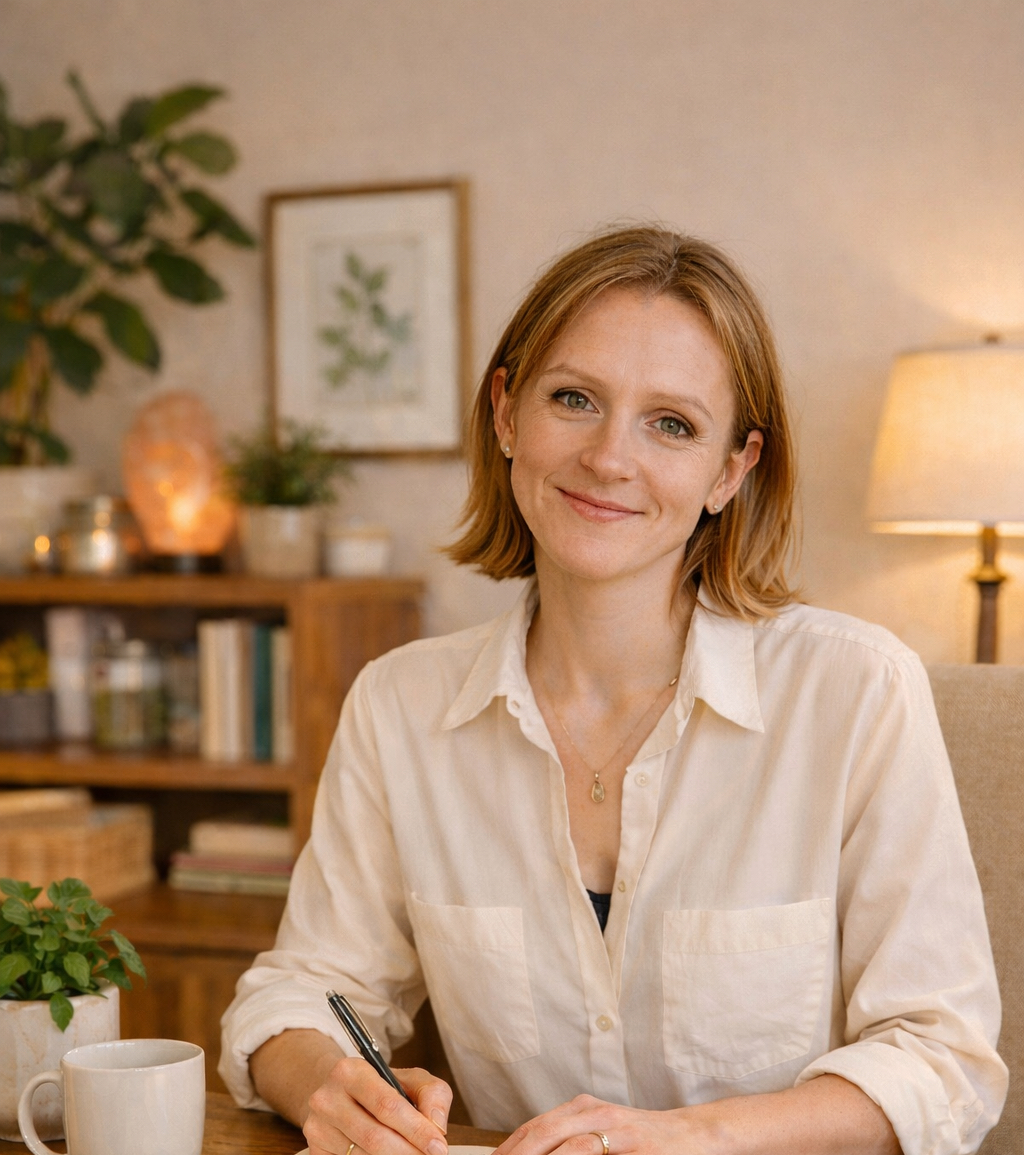

Ewa Makarewicz
MindBody Nutrition
Cancer Nutrition Specialist
If you or someone you love has been diagnosed with cancer, you'll know that the advice comes from everywhere. Well-meaning friends, internet forums, social media groups — suddenly everyone has a theory about what you should be eating, what you must avoid, and which miracle food will make a difference.
It's exhausting. And more often than not, it's deeply confusing.
As a cancer nutritionist, I have conversations every single week with people who are following restrictive, stressful, or simply ineffective dietary rules based on information that is either misunderstood, outdated, or just plain wrong. In many cases, these myths aren't just unhelpful, they can actively get in the way of good nourishment during one of the most physically demanding experiences of your life.
So let's set the record straight.
Myth 1: "Sugar feeds cancer, so I need to cut it out completely."

This is probably the most common, and most distressing myth I encounter. The idea that sugar directly "feeds" cancer cells has spread so widely that many people are cutting out entire food groups, including fruit, root vegetables, and wholegrains, in a desperate attempt to starve their tumour.
Here's what the science actually tells us: all cells in the body, including healthy ones, use glucose (a form of sugar) for energy.
Cancer cells do tend to use glucose at a faster rate, but this does not mean that eating sugar causes cancer to grow faster, or that removing sugar from your diet will starve a tumour. The body tightly regulates blood glucose levels regardless of what you eat, there is no direct on/off switch.
What does matter is the overall quality of your diet. Excess refined sugar, particularly in the form of ultra-processed foods and sugary drinks, contributes to inflammation and poor metabolic health, both of which are worth addressing. But eliminating fruit because it contains natural sugars? That's not only unnecessary, it may deprive your body of the vitamins, fibre, and antioxidants it genuinely needs right now.
Myth 2: "I should be following an alkaline diet to change my body's pH."
The alkaline diet, the idea that eating certain foods can make your body more alkaline and therefore less hospitable to cancer, is widely circulated online. It sounds logical. Unfortunately, it doesn't hold up to scrutiny.
Your body maintains blood pH within a very narrow range (7.35–7.45) through incredibly sophisticated mechanisms involving your lungs and kidneys. The food you eat does not meaningfully change your blood pH. If it did, you would be very unwell indeed.
That said, many foods promoted in alkaline diets, vegetables, legumes, nuts, seeds, are genuinely beneficial and worth including. But the mechanism isn't alkalinity. It's the fibre, phytonutrients, and anti-inflammatory compounds these foods contain.
Myth 3: "I need to be on a very strict diet to make a real difference."
Many people come to me having already placed themselves on highly restrictive regimes, cutting out dairy, gluten, all animal protein, or any number of other food groups, because they've read that this will improve their outcomes.

The truth is, extreme restriction during cancer treatment can do more harm than good. Maintaining a healthy weight and adequate protein intake is one of the most evidence-based nutritional goals during treatment. Unnecessarily eliminating food groups risks nutritional deficiencies, unintentional weight loss, and muscle wasting, all of which can compromise how well your body tolerates treatment.
A well-nourished body is better equipped to handle chemotherapy, radiotherapy, or surgery, and recover more effectively. Restriction for its own sake is rarely the answer.
Myth 4: "Superfoods and supplements will do the heavy lifting."
Turmeric shots. High-dose vitamin C infusions. Apricot kernels. The list of supposed cancer-fighting superfoods and supplements is long, and the claims can sound compelling, especially when you're willing to try anything.

Some supplements do have a meaningful role to play in supporting people through cancer treatment, but they must be chosen carefully, based on your individual needs, your specific diagnosis, and, critically, your current medications and treatment protocol. Certain supplements can interfere with chemotherapy or radiotherapy, potentially reducing the effectiveness of your treatment.
This is why personalised, professional guidance matters so much.
A supplement that is helpful for one person may be contraindicated for another. There is no universal stack, and no single superfood that will transform your outcomes on its own.
Myth 5: "My doctor said diet doesn't matter, so there's nothing I can do."
This one breaks my heart a little, because I understand why it happens. Oncologists and cancer nurses are extraordinary professionals, but their expertise lies in diagnosing and treating cancer medically. Detailed nutritional guidance often simply isn't within the scope of a standard oncology appointment.
"Diet doesn't matter" usually means "it won't cure your cancer" and that's true. But the evidence that nutrition and lifestyle can improve treatment tolerability, support immune function, reduce fatigue, manage side effects, and positively influence long-term outcomes is substantial and growing. You are not powerless. There is a great deal that can be done.
The bottom line
Good cancer nutrition isn't about fear, restriction, or chasing miracle cures. It's about nourishing your body intelligently and compassionately, in a way that's tailored to your diagnosis, your treatment, and your life.
If you've been caught up in any of these myths, please know that you're not alone and you haven't done anything wrong. The information landscape around cancer and nutrition is genuinely overwhelming, and it takes professional expertise to navigate it clearly.
That's exactly what I'm here for.
If you'd like personalised, evidence-based cancer nutrition support, take a look at how we can work together or get in touch to ask any questions you have. You don't have to figure this out alone. Click here to book your free no obligation consult with me today


Comments